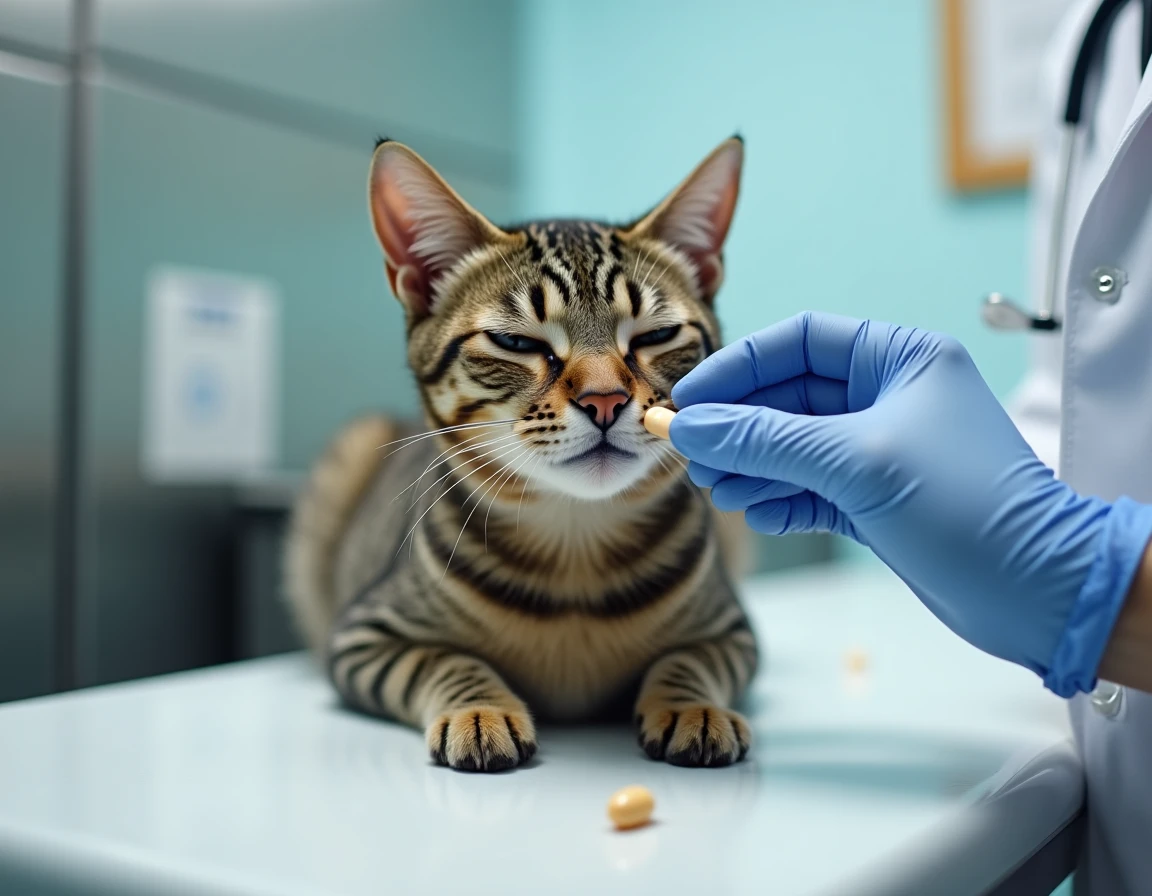
The contraceptive pill for cats remains a topic that generates a lot of online research, often with the hope of finding a quick and accessible solution. However, this demand faces a regulatory and health reality that most search results only partially explain.
The progestins used in female cats are not comfort products: their prescription and monitoring fall under a strict veterinary framework, and the consequences of poorly regulated use can jeopardize the animal’s health in the long term.
Progestins for female cats: what the contraceptive pill really refers to

What is commonly referred to as the “cat pill” corresponds to hormonal medications based on synthetic progesterone. Three molecules are primarily used: megestrol acetate, proligestone, and medroxyprogesterone acetate. These substances act by negative feedback on the hypothalamic-pituitary axis, inhibiting the development of ovarian follicles.
Their mode of action is anything but trivial. It involves active hormonal suppression, comparable in principle to certain human contraceptives, but applied to an organism whose reproductive cycle operates very differently. The female cat is a species with induced ovulation, which makes hormonal intervention particularly heavy from a metabolic standpoint.
A comparison of over-the-counter contraceptive pills for cats allows for a better visualization of the differences between molecules, pharmaceutical forms, and routes of administration, including in comparison to injections and implants.
Health risks of contraceptive pills for cats: pyometra, tumors, and diabetes
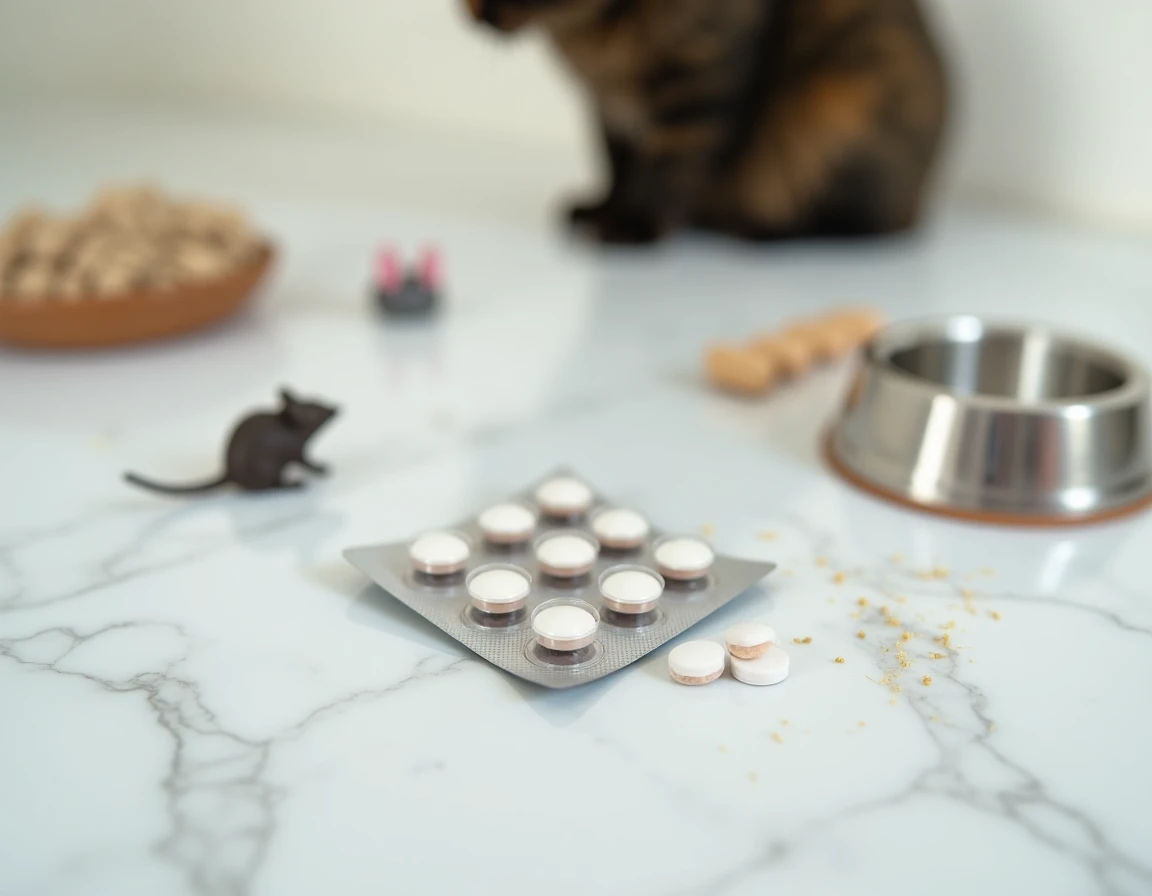
The side effects documented by veterinarians are not just minor temporary inconveniences. Pyometra (uterine infection) is one of the most common complications after prolonged treatment with progestins. This infection can be fatal without emergency surgical intervention.
Malignant mammary tumors represent another major risk. In female cats, these tumors are cancerous in the vast majority of cases, and their occurrence is directly correlated with exposure to synthetic progestins. Uterine hypertrophy and diabetes are also among the observed pathologies.
These complications can also occur after short-term treatments. The duration of exposure is not the only factor. The individual sensitivity of each female cat plays a role, and there is no protocol that can predict in advance which animals will develop serious effects.
The hidden cost of veterinary monitoring
Administering a contraceptive pill to your female cat without medical supervision is akin to betting on the absence of complications. In practice, any progestin treatment requires regular check-ups: abdominal palpation, uterine ultrasound, monitoring of the mammary glands. These consultations accumulate and often represent a budget that exceeds that of a single sterilization in the long run.
The true cost of the pill is not the price of the box, but the cost of care in the event of complications. An emergency surgery for pyometra is much more expensive than a scheduled sterilization, not to mention the life-threatening risk for the animal.
Regulatory framework in France: the end of over-the-counter availability in pharmacies
The contraceptive pill for cats was long available in pharmacies without a prescription. This is no longer the case. The dispensing of these medications is now subject to veterinary prescription. This regulatory evolution reflects the official recognition of the health risks associated with unregulated use.
Websites that still offer these products “without a prescription” operate in a gray area. Some operate from abroad, while others circumvent French regulations. Buying a progestin for your cat online without a prescription exposes you to receiving a product whose composition, dosage, or storage conditions are not guaranteed.
The logic of prescription is not merely an administrative formality. It involves a prior clinical examination of the animal, verification of the absence of contraindications (pregnancy, pre-existing uterine pathology), and an administration protocol tailored to the weight and cycle of the female cat.
Sterilization and other alternatives to feline hormonal contraception
Surgical sterilization (ovariectomy or ovariohysterectomy) remains the method recommended by almost all veterinarians. The reasons go beyond simple prevention of litters:
- It permanently eliminates the risk of pyometra and significantly reduces the risk of mammary tumors, especially if performed before the first heat.
- It eliminates behaviors associated with heat (vocalizations, marking, escaping), which are sources of stress for both the animal and the owner.
- It requires no subsequent medical follow-up, making it the least burdensome option over time.
For owners who wish to retain their female cat’s reproductive capacity (breeders, for example), progestin injections or hormonal implants are alternatives regulated by the veterinarian. These solutions offer reversible contraception, but they share the same risks of side effects as the oral pill. Their main advantage lies in the control of dosage and administration schedule by a professional.
Why the pill remains sought after despite the risks
The appeal of the feline contraceptive pill lies in its apparent simplicity: no surgery, no veterinary appointments, a low initial cost. This perception ignores the reality of the benefit-risk ratio. Sterilization is now considered the reference option for both preventive and practical reasons.
Field reports vary on one point: some owners report years of use without apparent incident. These testimonials do not constitute proof of safety. Conditions induced by progestins often develop silently before manifesting acutely.
Before making any decision regarding your female cat’s contraception, a discussion with a veterinarian remains the only way to evaluate options based on the animal’s age, health status, and intended purpose. An over-the-counter product and a product suitable for your female cat are two distinct things.