When returning to the vegetable garden after a few days away and finding a dry crust covering the soil between the rows of beans, the first instinct is to scratch the surface. Hoeing or hilling: both actions involve a hoe or a cultivator, but they do not serve the soil or the plants in the same way. Understanding their differences allows for choosing the right moment and the right tool, without damaging what lives beneath our feet.
Soil life and working depth: what hoeing and hilling really change
Hoeing is often discussed for saving water, while hilling is mentioned for stabilizing vegetables. Less often is their effect on microfauna. Earthworms, ground beetles, and microorganisms that decompose organic matter live in the first few centimeters of the soil. Each tool pass disrupts this ecosystem, but not in the same way.
Hoeing works on the surface, at two to three centimeters deep. When kept to this shallow depth, the earthworm galleries remain largely intact. Ground beetles, predators of slugs and aphids, find refuge under the barely turned clods. Therefore, light and infrequent hoeing preserves a good part of the soil’s biodiversity.
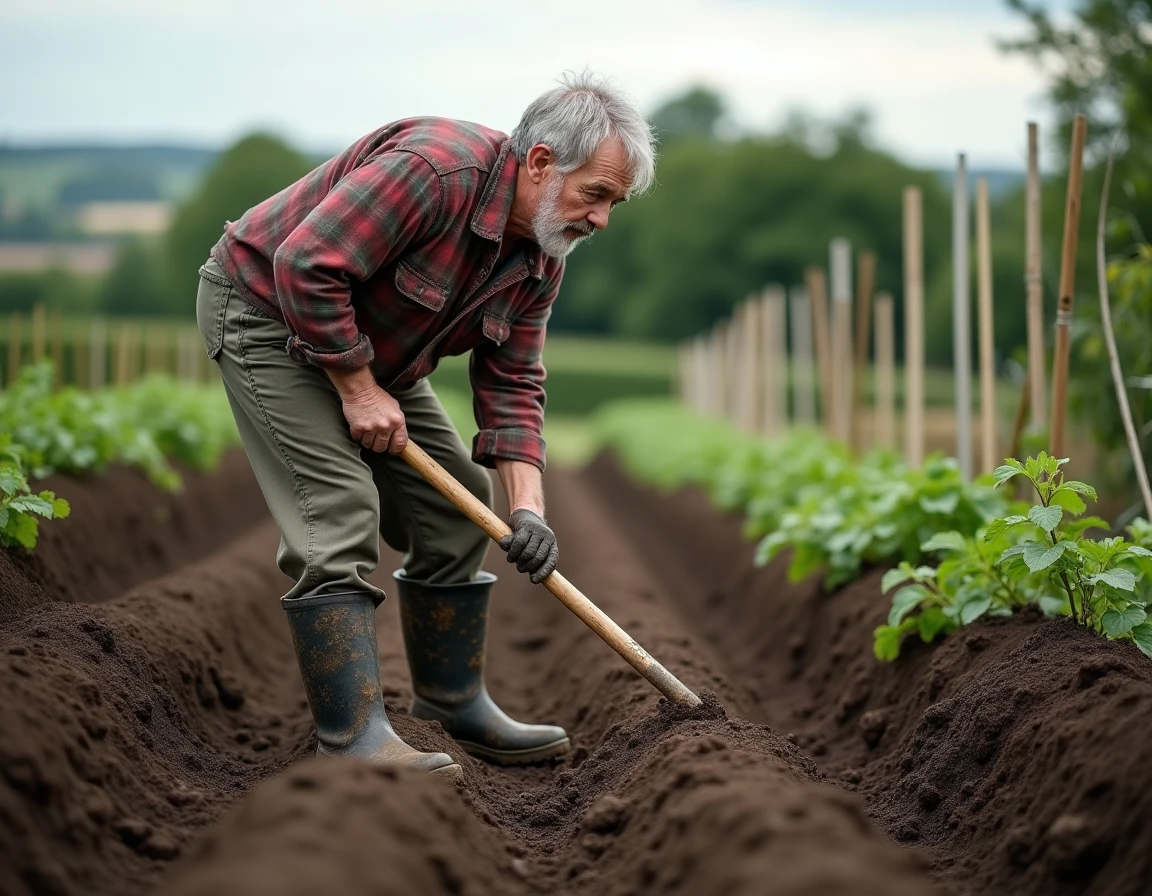
Hilling, on the other hand, displaces a significantly larger volume of soil. Soil from the furrow is brought up to the base of the plant, sometimes to a height of about ten centimeters. This movement buries the active surface layer and exposes deeper layers. Repeated hilling compacts the paths and reduces microfauna populations in the worked area. On heavy loamy soil, the effect is even more pronounced because the soil closes up quickly after rain.
To clearly distinguish hoeing and hilling in the vegetable garden, it is beneficial to think in terms of frequency as well as action. A one-time hilling of potatoes is not a biological problem. Three successive hillings in one month on the same row, however, is.
Hoeing in the vegetable garden: breaking the crust without harming life
Hoeing breaks the crust that forms on the surface after watering or rain. By breaking this film, we restore air circulation and limit evaporation. The old saying “a hoeing is worth two waterings” remains true, but it is now considered incomplete: coupling hoeing with mulching extends the effect on moisture far beyond what hoeing alone allows.
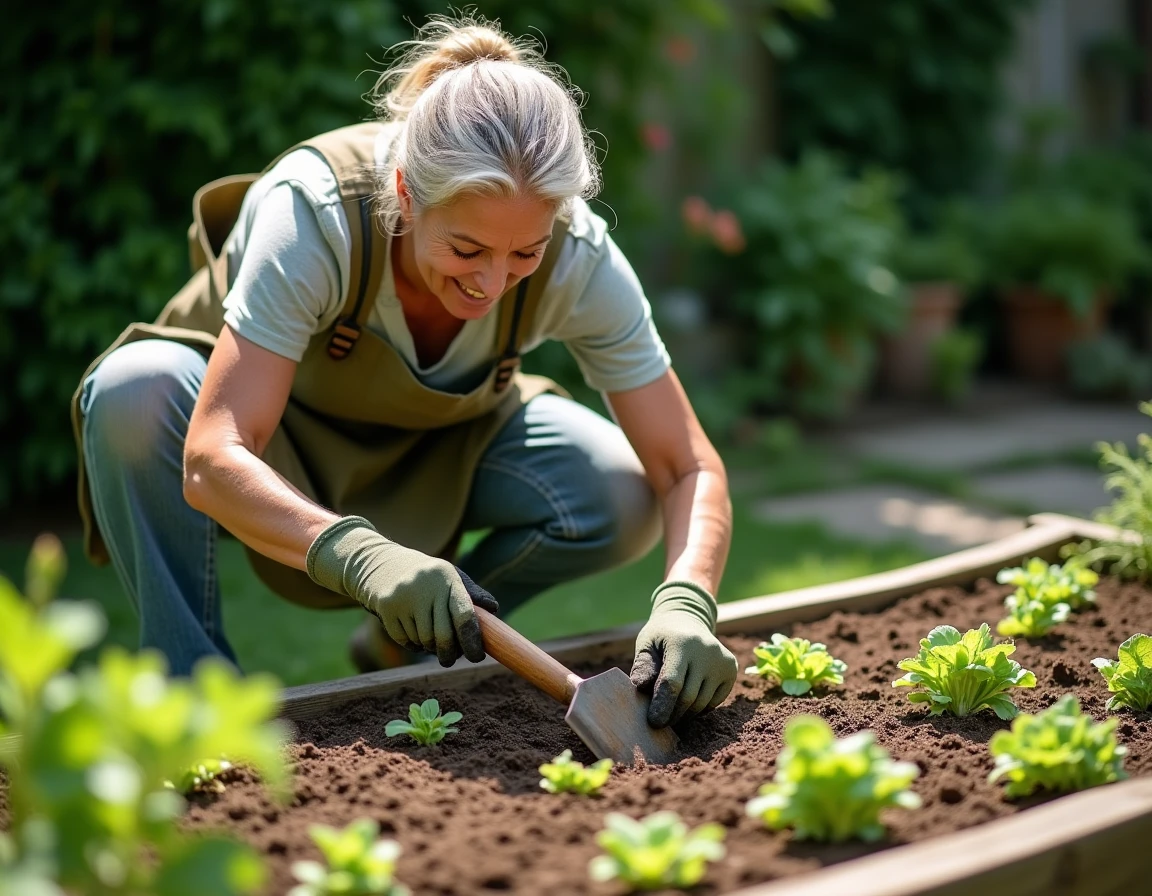
The reference tool is the cultivator, used flat between the rows. Work is done in dry weather, in the morning, so that the uprooted weeds dry in the sun. The ideal depth does not exceed three centimeters. Going deeper destroys the root hairs of nearby vegetables and disturbs the mycorrhizal fungi that nourish the roots.
Situations where hoeing is sufficient
- Clay or loamy soil that forms a hard crust after each rain: a light pass with the cultivator every ten to fifteen days restores gas exchanges.
- Rows of lettuce, carrots, beets, and leafy vegetables that do not need hilling: hoeing replaces chemical weeding and maintains surface structure.
- Beginning of the season, when seedlings are fragile: superficial hoeing disturbs young plants less than premature hilling.
Feedback varies on the ideal frequency: some gardeners hoe every week, while others prefer to space out and mulch between passes. On soil already covered with mulch, hoeing becomes unnecessary as long as the mulch holds.
Hilling vegetables: when bringing soil back makes real sense
Hilling involves forming a mound of soil at the base of a vegetable. A hoe, a cultivator, or the back of a wide rake is used. The action serves three concrete objectives:
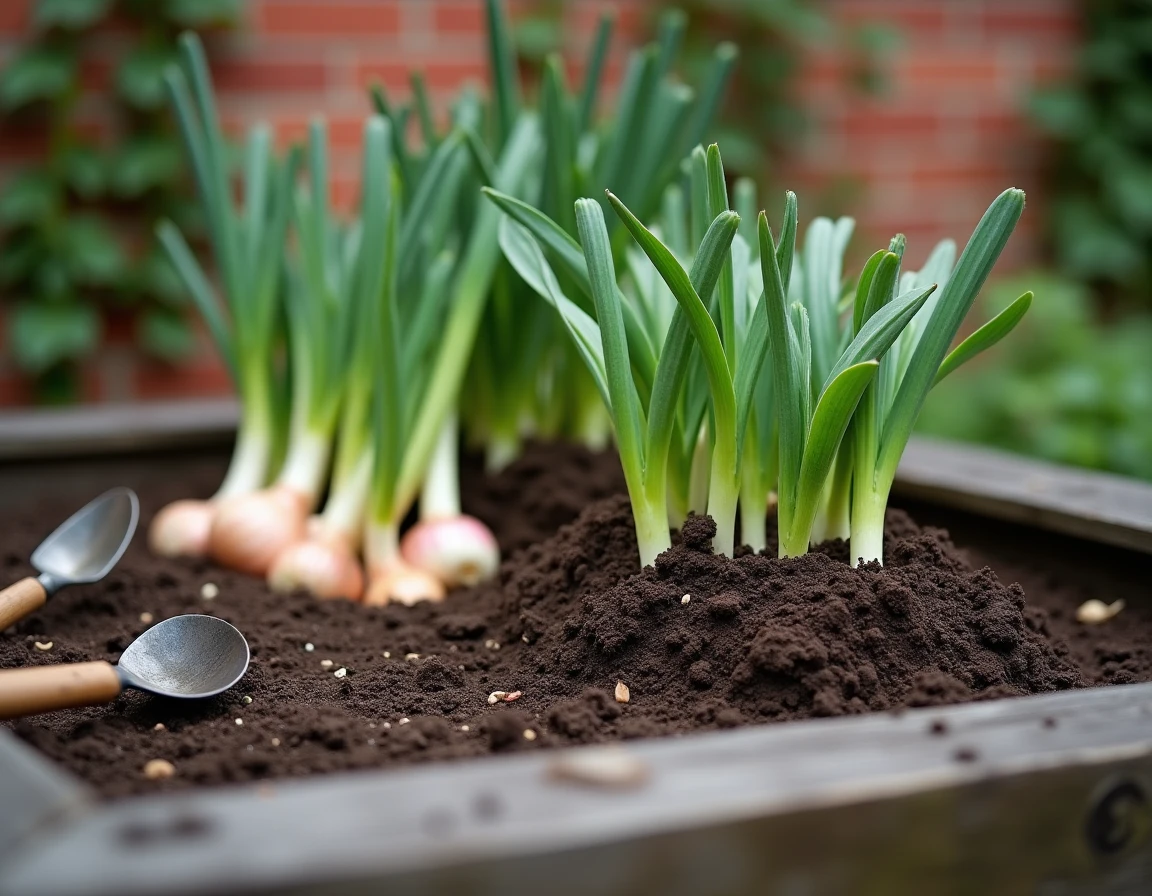
- Blanching certain vegetables (leeks, celery, asparagus) by depriving the buried part of light, which softens the tissues and mellows the taste.
- Protecting potato tubers from light, which causes them to green and produce solanine (toxic).
- Stabilizing tall plants (pole beans, fava beans) by strengthening the root anchorage.
Hilling only makes sense for vegetables that derive a direct benefit from it. Hilling tomatoes or zucchinis is pointless and wastes energy. However, this mistake is often encountered in many vegetable gardens.
Adapting hilling to soil type
On light and well-draining soil, the mound holds well and water drains properly. On heavy loamy soil, the mound compacts after the first heavy rain and forms a dense layer around the base. In this case, hilling is done later in the season, when the soil has dried out, and hilling is limited to one or two interventions at most rather than being repeated.
Hilling is increasingly being presented as a practice to be adapted to soil texture, not as a systematic action applied everywhere in the same way.
Hoeing, hilling, and mulching: thinking in a complete system
Opposing hoeing and hilling as two competing actions does not make much sense. They are two complementary tools that fit into a broader technical approach. Hoeing keeps the surface permeable, hilling protects or whitens certain vegetables, and mulching takes over between interventions to limit evaporation and nourish soil life.
A well-managed vegetable garden combines light hoeing, targeted hilling, and permanent mulching. Hoeing is done early in the season, before mulching. Potatoes and leeks are hilled when they reach the right size. Then we let the mulch do its work.
The evolution of tools also plays a role. A well-sharpened cultivator or a oscillating hoe allows for very superficial work, without turning the soil deeply. This link between the quality of the equipment and the frequency of intervention is rarely taken into account, but it changes the game: with a precise tool, we intervene less often and better preserve the microfauna.
The choice between hoeing and hilling thus depends on the vegetable being grown, the soil texture, and the time of year. Thinking through each action rather than applying it out of habit is what makes the difference between a productive vegetable garden and soil that impoverishes year after year.