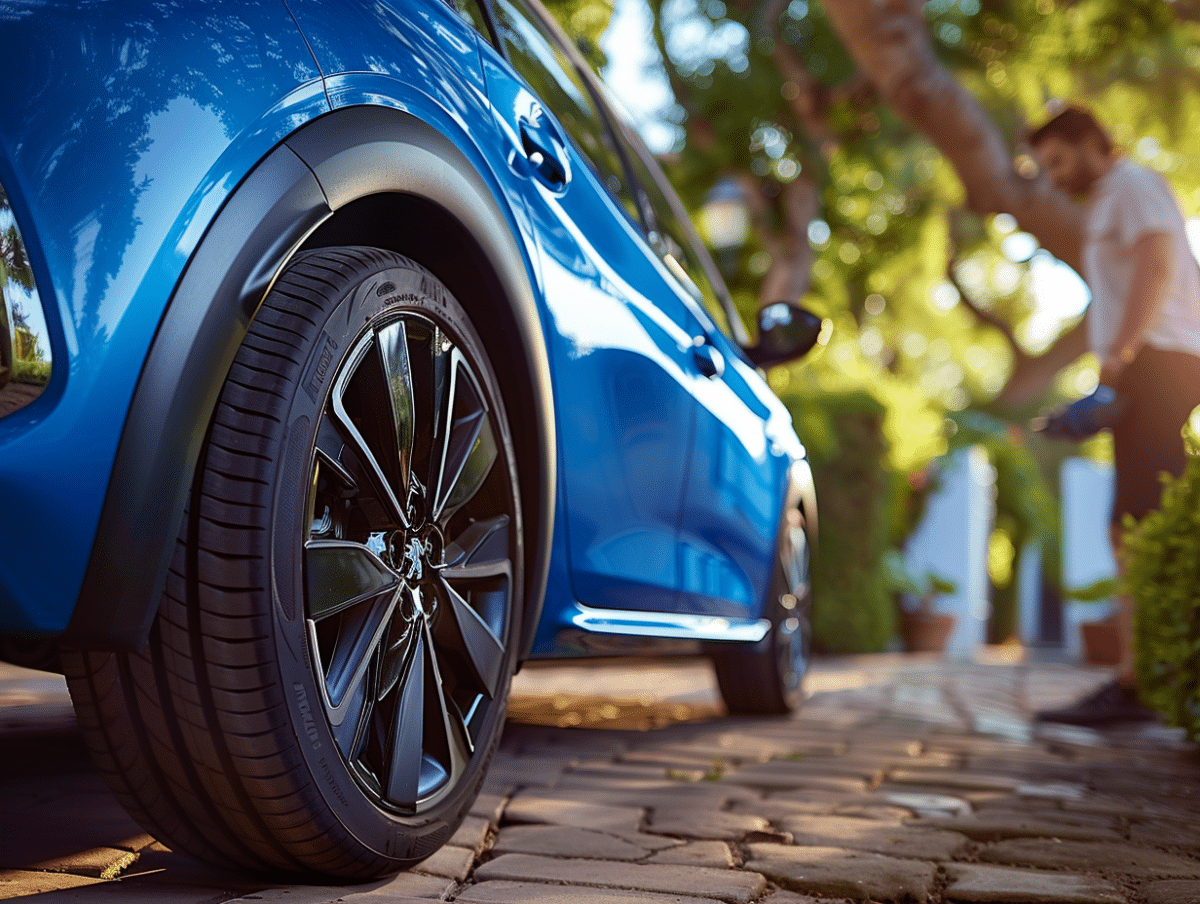
Tire pressure is a key factor in the maintenance of any car, and the Peugeot 208 is no exception. Properly inflated tires not only ensure better grip and safe driving but also influence fuel consumption and the overall wear of the vehicle. For Peugeot 208 owners, maintaining the pressure recommended by the manufacturer can help optimize the performance and longevity of their car. Regular checks, ideally once a month and before long trips, are strongly advised to ensure that the tires are in optimal condition.
The importance of proper tire pressure for your Peugeot 208
Monitoring the recommended tire pressure for a Peugeot 208 is crucial for the proper functioning of the vehicle. Depending on the model of the Peugeot 208, the recommended pressures vary and adapt to the specifics of each variant in the range. Owners of these vehicles should consult the manufacturer’s guidelines or user manuals, which specify the exact pressure values for the tires. This information is essential, as tire pressure directly influences grip on the road, which is a prerequisite for safe driving.
Tire wear is also affected by inappropriate pressure. If too low, it can lead to premature wear of the sidewalls and increase rolling resistance, thus impacting fuel consumption and road safety. Conversely, excessively high pressure may accelerate central tire wear and impair handling efficiency. Keep in mind that tire pressure is not a constant: it fluctuates with temperature variations and the natural wear of the tire. Hence, the need for periodic checks and adjustments if necessary.
Adhering to these recommendations is therefore vital for maintaining the optimal performance of your Peugeot 208 and ensuring increased longevity for your tires. The optimal tire pressure, adjusted according to load and type of journey, is a guarantee of safety, comfort, and economy. The handling of your vehicle, as well as your safety and that of your passengers, depend on it. Make it a habit to regularly check your tire pressure and adjust them according to the manufacturer’s recommendations for a driving experience that is both safe and enjoyable.
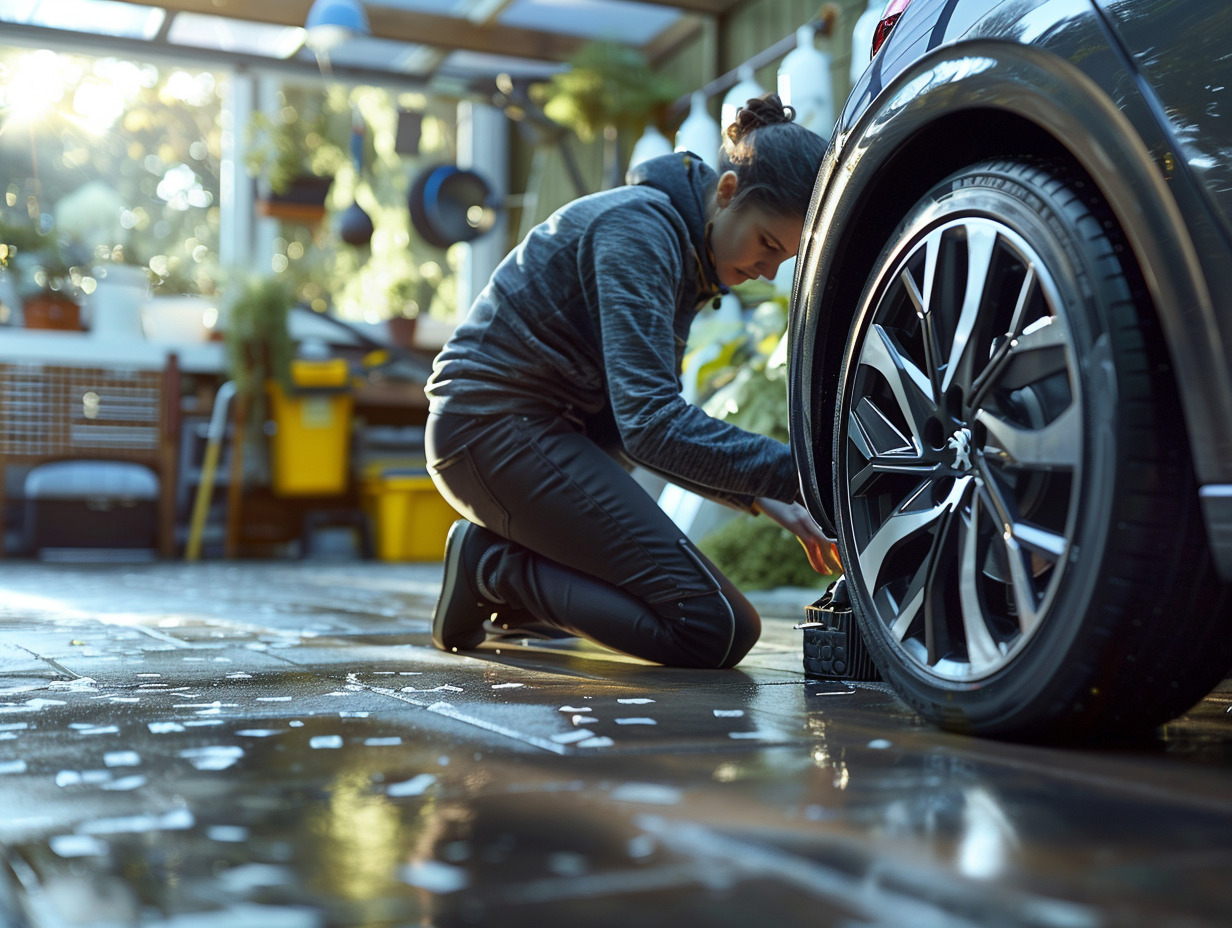
How to check and maintain the ideal tire pressure for your Peugeot 208
Checking the tire pressure is a simple and quick operation, which nonetheless requires rigor and precision. For Peugeot 208 owners, be sure to carry out this check at least once a month as well as before any long trip. The pressure should be measured when the tires are cold, meaning the vehicle should not have been driven for at least two hours or have traveled less than three kilometers at low speed. Under such conditions, the measurement will be reliable and reflect the actual tire pressure. Use a reliable gauge or visit a tire inflation station to perform this check.
Modern technology also assists drivers with the tire pressure monitoring system, known by the acronym TPMS (Tire Pressure Monitoring System). This device, integrated into your Peugeot 208, automatically alerts you in case of tire deflation, allowing for prompt action to avoid inconveniences. The TPMS does not replace the need for regular manual checks, as it may not detect a gradual but significant drop in pressure across all tires.
For those who prefer complete autonomy, the 12V Michelin compressor proves to be a practical and effective tool. It allows you to inflate tires without relying on service stations, anytime and anywhere. This device can be kept in the trunk of your vehicle, providing an immediate solution in case of a need for pressure adjustment. Be sure to strictly follow the manufacturer’s recommendations regarding pressure, which are specific to each model of Peugeot 208 and tailored to the tire dimensions.