
In the vastness of terrestrial ecosystems, luminous insects, such as fireflies and glowworms, play a captivating role. Their ability to emit light, bioluminescence, is not only an enchanting natural spectacle but also influences various ecological aspects. These insects use light to attract mates, repel predators, or lure prey. This unique characteristic alters trophic interactions and can affect the structure of surrounding biological communities. Bioluminescence also intrigues science, inspiring biomedical and technological applications. However, habitat disruption threatens their survival and, by extension, the balance of the ecosystem.
The Ecological Role of Luminous Insects
Luminous insects, such as fireflies, occupy a crucial place in the complex web of ecological interactions. As pollinator insects, their nocturnal ballet is essential for the fertilization of many plant species. Light pollution, emanating from artificial light, disrupts this fundamental choreography. Studies show that excessive brightness in urban areas significantly decreases the nighttime visits of these insects, thereby reducing fruit production and, ultimately, biodiversity.
The delicate balance between light and darkness is fundamental for maintaining the biological rhythms of fauna and flora. The constant presence of light disrupts the natural cycles of organisms, leading to cascading consequences for the entire environment. The disruption of feeding and reproductive habits of luminous insects affects not only these species but also the predators that feed on them and the plants that rely on their pollination services.
In the face of these challenges, measures are being considered to reduce the negative impact of light pollution on these key species. Initiatives such as adjusting street lighting to minimize light spill, adopting less intrusive technologies, and implementing stricter regulations aim to protect the night sky. These solutions contribute to the conservation of the natural habitats of luminous insects and the maintenance of biodiversity, while addressing contemporary issues of climate change and the preservation of biological communities.
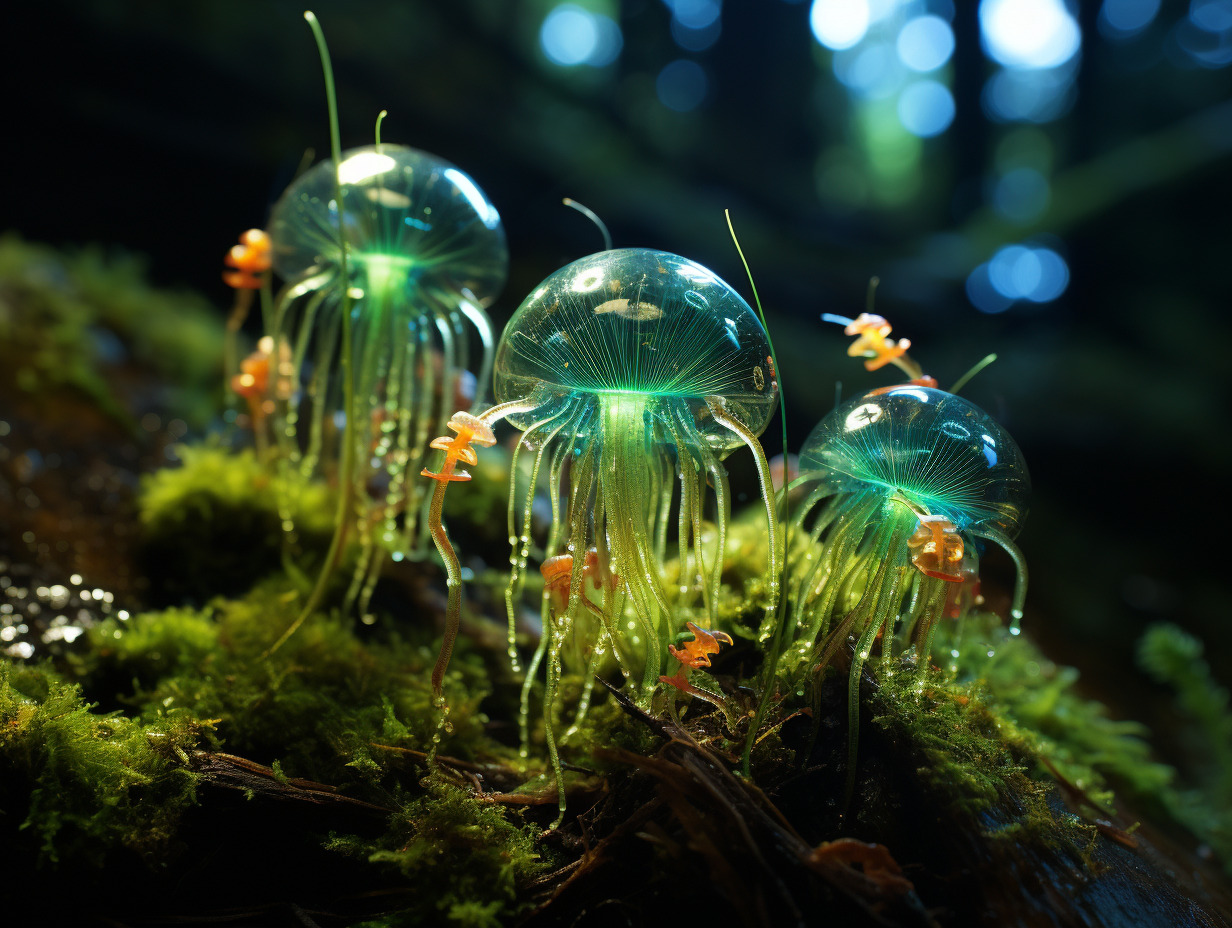
The Consequences of Artificial Light on Luminous Insects and the Ecosystem
In the complex web of interactions between fauna and flora, light pollution emerges as an insidious disruptor. Luminous insects, key players in pollination, see their populations and nocturnal activities altered by the persistent glow of our civilization. This artificial glare induces fatal disorientation, hindering reproduction and dispersal of species, with profound repercussions for biodiversity.
Biological cycles are the pulse of nature, the rhythms by which life organizes and endures. When artificial light intrudes into the day/night cycle, it blurs the signals that govern these rhythms, disrupting the regularity of feeding, migratory, and reproductive behaviors. This light intrusion is not limited to insects: nocturnal creatures such as bats also fall victim to this omnipresent light halo, thus distorting the original composition of ecological communities.
In light of this observation, the implementation of appropriate regulations and their effective enforcement emerge as primary solutions. It is evident that existing measures remain insufficiently applied to stem the rising tide of light pollution. The urgency of the situation demands a concerted effort for a responsible use of light, capable of preserving the richness of our environments and mitigating the effects of climate change.